PREVIOUS
TD Tech Participates in the 2026 450 MHz Alliance Conference, Exploring the Future of Critical Industry Private Networks



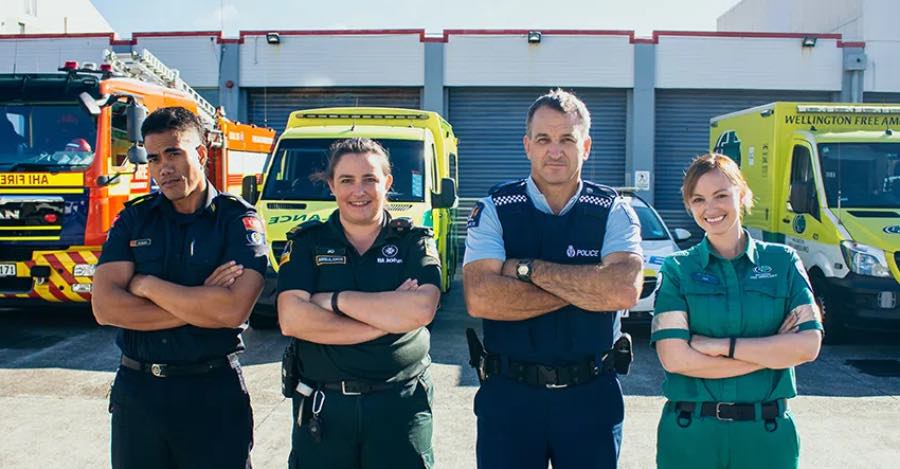
New Zealand is taking a significant step toward strengthening national resilience and emergency preparedness through a major investment in advanced emergency management technology under Budget 2026.
Emergency Management and Recovery Minister Mark Mitchell announced new funding to support the National Emergency Management Agency (NEMA) in delivering modern digital systems designed to improve emergency response, recovery operations, and cross-agency coordination nationwide.
The investment addresses longstanding challenges caused by fragmented emergency management systems and disconnected data sources, which can delay information sharing and hinder critical decision-making during emergencies.
At the center of the initiative is the development of a nationwide Common Operating Picture (COP), a long-awaited capability that will provide emergency management personnel with a unified, real-time view of critical information. The platform will integrate hazard and evacuation maps, population data, infrastructure status, resource availability, and other operational intelligence into a single shared environment.
The Common Operating Picture will enable responders, emergency managers, and decision-makers across agencies to access the same live information regardless of location, significantly enhancing situational awareness and operational coordination before, during, and after emergency events.
The COP forms a key component of the broader Emergency Management Sector Operational Systems (EMS-OS) programme being led by NEMA. Beyond shared situational awareness, EMS-OS will introduce advanced tools that support task management, resource coordination, interagency collaboration, and recovery operations. The programme will also modernize New Zealand’s National Warning System to provide faster, more accessible public alerts during emergencies.
A major focus of EMS-OS is the strategic use of automation and artificial intelligence to support emergency management operations. AI-powered analytics could help emergency responders rapidly process large volumes of information following earthquakes, floods, storms, and other natural disasters.
For example, AI-assisted analysis of satellite imagery and geospatial data could quickly identify potential damage to buildings, roads, bridges, and other critical infrastructure. This would enable emergency teams to better understand impacts, identify isolated communities, prioritize field assessments, and accelerate response and recovery planning.
As one of the world's most hazard-prone nations, New Zealand faces ongoing risks from earthquakes, severe weather events, flooding, and other natural disasters. Government officials say the investment represents a critical milestone in enhancing national resilience and ensuring emergency management agencies have the tools needed to respond effectively to increasingly complex emergencies.
The initiative forms part of a broader programme of emergency management reform, including the proposed Emergency Management Bill and the Strengthening Emergency Management Roadmap, both aimed at improving preparedness, response capabilities, and long-term recovery outcomes.
By investing in modern technology, integrated data systems, and AI-enabled operational tools, New Zealand is positioning itself to deliver faster emergency response, stronger interagency coordination, improved public safety, and more resilient communities in the face of future disasters.
Image Credit: wfa.org