PREVIOUS
World Cup 2026 Security: Axon Delivers Real-Time Intelligence, Drone Defense and Unified Public Safety Across Host Cities



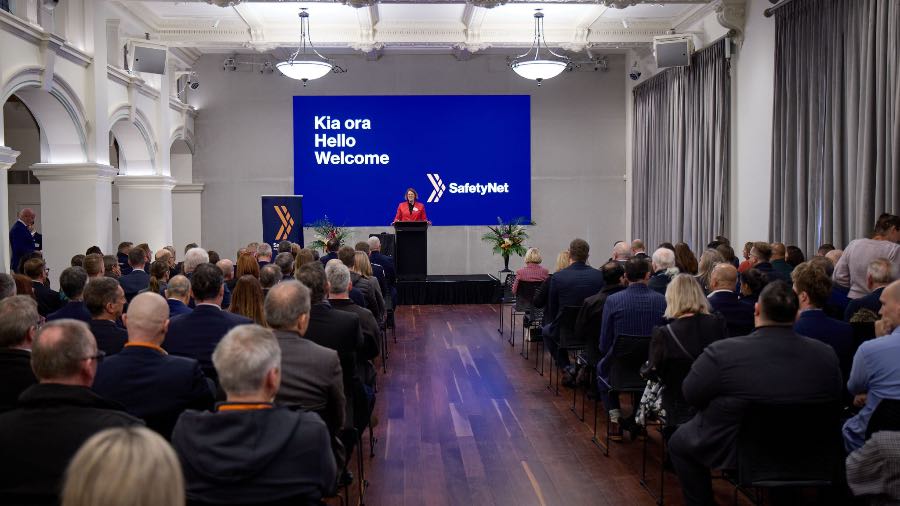
SafetyNet launched today and is already delivering on its mandate to modernise the communications capability of New Zealand’s emergency services and wider public safety sector.
Previously called Next Generation Critical Communications, last November, government approved the entity’s exit from host, Police. As an independent Crown company, SafetyNet can now offer its unique emergency grade communications services in a commercial model to the hundreds of organisations across New Zealand’s public safety sector, including central and local government agencies, Iwi, not-for-profit organisations, and infrastructure and utilities companies.
Steve Ferguson, SafetyNet’s CEO, said the new organisation’s priority remains delivering the Public Safety Network’s (PSN) 500 site digital Land Mobile Radio network for foundation customers Police, Fire and Emergency New Zealand, Wellington Free Ambulance and Hato Hone St John.
SafetyNet has also begun a carefully managed process of onboarding the first new PSN Cellular Services customers including the National Emergency Management Agency, Surf Lifesaving New Zealand, Selwyn District Council and Maritime New Zealand.
Michael Clulow, Manager Operations for Maritime NZ’s Rescue Coordination Centre New Zealand, says having PSN Cellular Services will boost the communications capability underpinning their vital search and rescue operations.
“Adding Public Safety Network Cellular Services to our communications infrastructure ensures additional resilience to our systems enabling us to deliver our 24/7 safety of life service during a significant national event or during periods of network outages. By joining SafetyNet we have added confidence that we can help those in need, whenever and wherever they need it,” Michael says.
Since launching its first PSN Cellular Service in 2023, SafetyNet has received a steady stream of requests from public safety organisations wanting access to the services.
Steve Ferguson says, “the fact multiple public safety organisations often respond for big responses makes it important they can reliably and easily communicate with each other to share information, get organised and stay safe. The effectiveness of their communications ultimately benefits community wellbeing.”
Steve says SafetyNet has proven a very effective model for working with the sector, government and technology vendors to scope, develop and deliver new shared critical communications infrastructure and services.
“Since 2022, using a collaborative model, we have delivered the emergency services with three globally leading cellular services, and a new voice console. Our experts have also delivered the Device Location Service which helps the emergency services to locate the phones of people who are at high risk. Delivery of the 500-site new Land Mobile Radio network is underway with the first region aiming for go-live in Canterbury late this year.”